Under the rails of high-speed trains and behind the precise schedules of railways lies a little-known universe. The professions in the railway sector, often invisible to the public eye, play a fundamental role in the daily functioning of transportation.
We rarely think of the signalmen, those experts who coordinate train routes to avoid collisions, or the maintenance technicians, responsible for inspecting and repairing the tracks. There are also the signaling designers, whose innovations ensure the safety of travelers. These professionals operate in the shadows, but their contribution is essential.
Diverse and Technical Professions
The railway sector, employing 150,000 people, encompasses a variety of technical and specialized jobs. Beyond the train driver, several other professions are essential to the smooth operation of railway services.
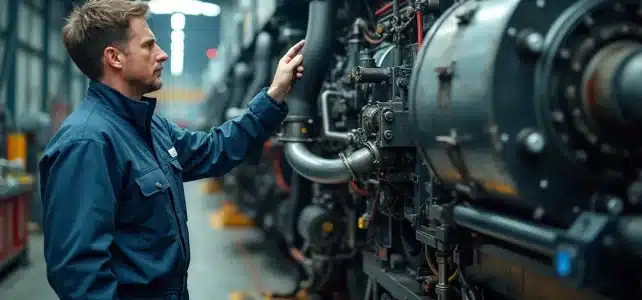
Maintenance Technicians
These professionals ensure the maintenance and repair of trains and railway infrastructure. They work on tracks, overhead lines, and signaling systems. Their expertise guarantees the safety and punctuality of trains.
Signalmen
Responsible for managing railway traffic, they play a key role in coordinating train routes. Their mission: to avoid collisions and streamline traffic.
Less Known Professions
- Wagonist: Specialists in the management and maintenance of wagons, they ensure the safety and comfort of passengers.
- Traffic Planner: They develop train schedules and coordinate movements to optimize the network.
- Railway Security Agent: They monitor facilities and intervene in case of incidents to ensure the safety of travelers.
- Ground Security Operator: Present on platforms, they ensure the smooth operation of boarding and disembarking processes.
The diversity of professions in the railway sector demonstrates the complexity and technicality of this field. Each professional, whether a track technician, station agent, or track layer, contributes to the smoothness and safety of railway transport. Lesser-known roles like that of wagonist are just as vital for the proper functioning of the network.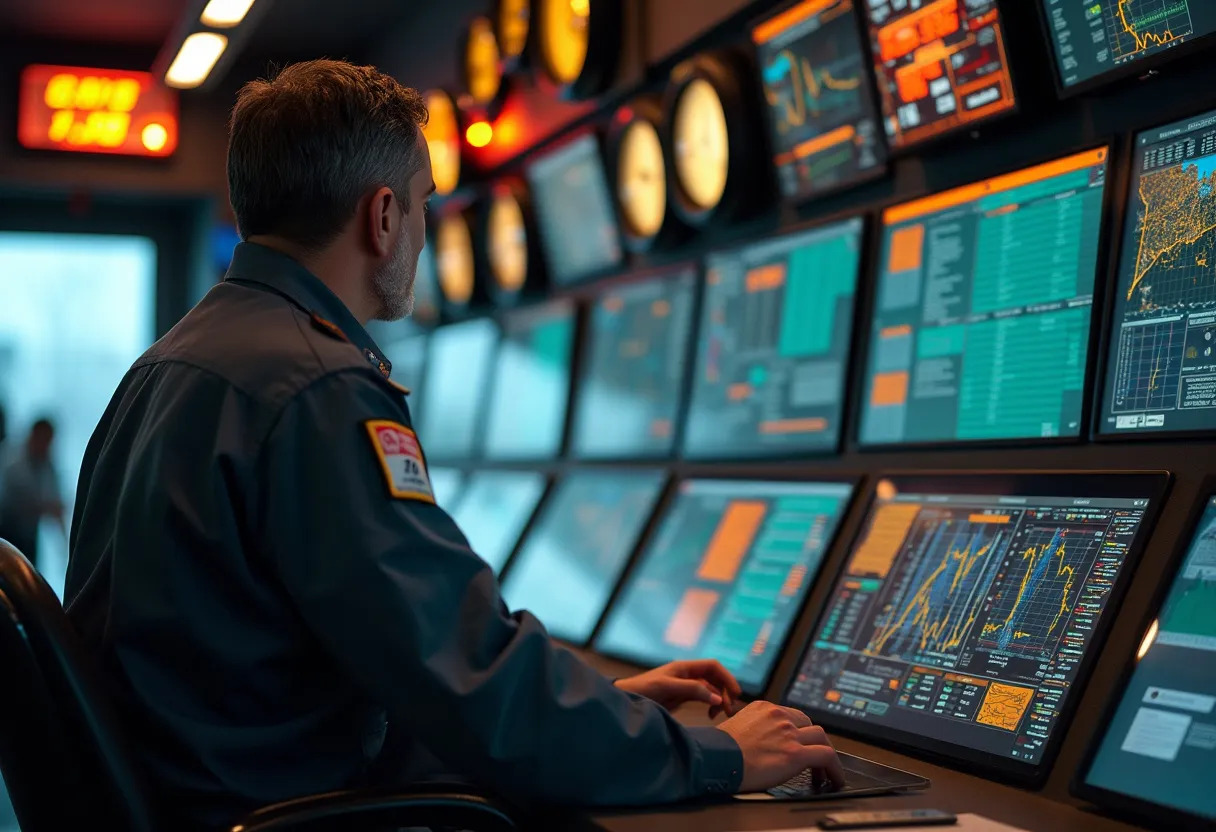
The Daily Challenges of These Professions
The railway sector is in constant technological evolution. Professionals must adapt to innovations such as autonomous trains and hydrogen trains. These advancements require ongoing training and a rapid ability to adapt.
Maintenance technicians, for example, must constantly train to master new technologies. The internal training offered by SNCF is fundamental to enable them to keep up with these developments. Similarly, signalmen must adapt to new signaling systems to ensure smooth traffic flow.
Training Requirements
Railway jobs often require specific qualifications. A train driver must have a CAP or a baccalauréat, while a track layer must have a driving license B. To become a signalman, one must obtain the Railway Signalman Certificate, a specialized training provided by the railway sector.
- Train Driver: CAP or baccalauréat
- Track Layer: Driving License B
- Signalman: Railway Signalman Certificate
Career Prospects
There are numerous opportunities for advancement. A SNCF inspector can become a team leader of inspectors, a trainer, or even a manager in the commercial field. Internal training plays a key role in this progression. Programs like Parcours Avenir offered by the Futur en Train association aim to prepare young people for these professions and raise awareness of the sector’s challenges.
These daily challenges, in terms of training and technological adaptation, make the railway sector a demanding field but rich in opportunities for those who fully invest in it.