Booking a room in a farmhouse in the Pays d’Auge or in a longère near the Alabaster Coast is first and foremost accepting a constraint: the regulatory capacity of a guesthouse in Normandy is limited to five rooms and a maximum of fifteen people. This ceiling, set by articles L324-3 and L324-4 of the Tourism Code, explains why availability dwindles well before summer, especially between May and October.
This limit changes the very nature of the stay. One does not book a guest room like one books a hotel: the reduced number of places requires early planning, and direct contact with the host is an integral part of the service.
Legal framework of a guest room: what distinguishes it from a furnished rental
The confusion between guest rooms and furnished rentals like Airbnb remains common. On the ground, the difference is felt as soon as you arrive. The presence of the resident on-site is mandatory, as is the provision of linens and breakfast. These three elements are not optional: they condition the legal status of the establishment.
A prior declaration at the town hall is also required before any activity begins. This formality protects the traveler: a declared establishment commits to specific reception standards. When looking for a reliable address in Normandy, checking this status avoids unpleasant surprises, especially on booking platforms that mix the two categories.
To illustrate this type of hospitality, one can consult lamaisonmontigny.fr, which reflects well the operation of a Normandy guesthouse with accommodation, breakfast, and a welcome from the owners.
Seasonality in Normandy: booking a guesthouse at the right time
The window from May to October concentrates the majority of demand. With only a few rooms available per establishment, weekends in June and September sometimes fill up several weeks in advance. It is wise to anticipate booking at least three to four weeks in advance for the most sought-after periods.
Outside of this high season, Normandy does not close. Some hosts maintain hospitality year-round, often with gentler rates. A stay in November in the bocage or Cotentin offers a calm that is hard to find in the height of summer, although feedback on this point varies by geographical area.
The Norman climate, temperate and humid, makes the interseasons particularly pleasant for hiking and visiting built heritage. The autumn light on the cliffs of Calvados or the pastures of Perche alone justifies a shift in dates.
International clientele and multilingual welcome in Normandy guesthouses
German, Dutch, and Belgian tourists are among the most frequent visitors to Normandy. Industry professionals report a lesser presence of British tourists. This observation reshapes hospitality priorities: offering information in German or Dutch becomes a real competitive advantage for guesthouses located on memorial circuits or coastal routes.
On the ground, it is noted that establishments that clearly display the languages spoken on their booking page receive more targeted requests. A simple welcome sign translated or a multilingual welcome booklet changes the perception of the stay for a traveler who does not master French.
Summer comfort: heat as a criterion for choosing a Normandy guest room
Normandy is considered a cool destination. This is no longer systematically true. Establishments located inland, far from the coastal breeze, can experience marked heat episodes in July and August. The absence of air conditioning in old buildings is the norm, and natural ventilation largely depends on the thickness of the walls and the orientation of the openings.
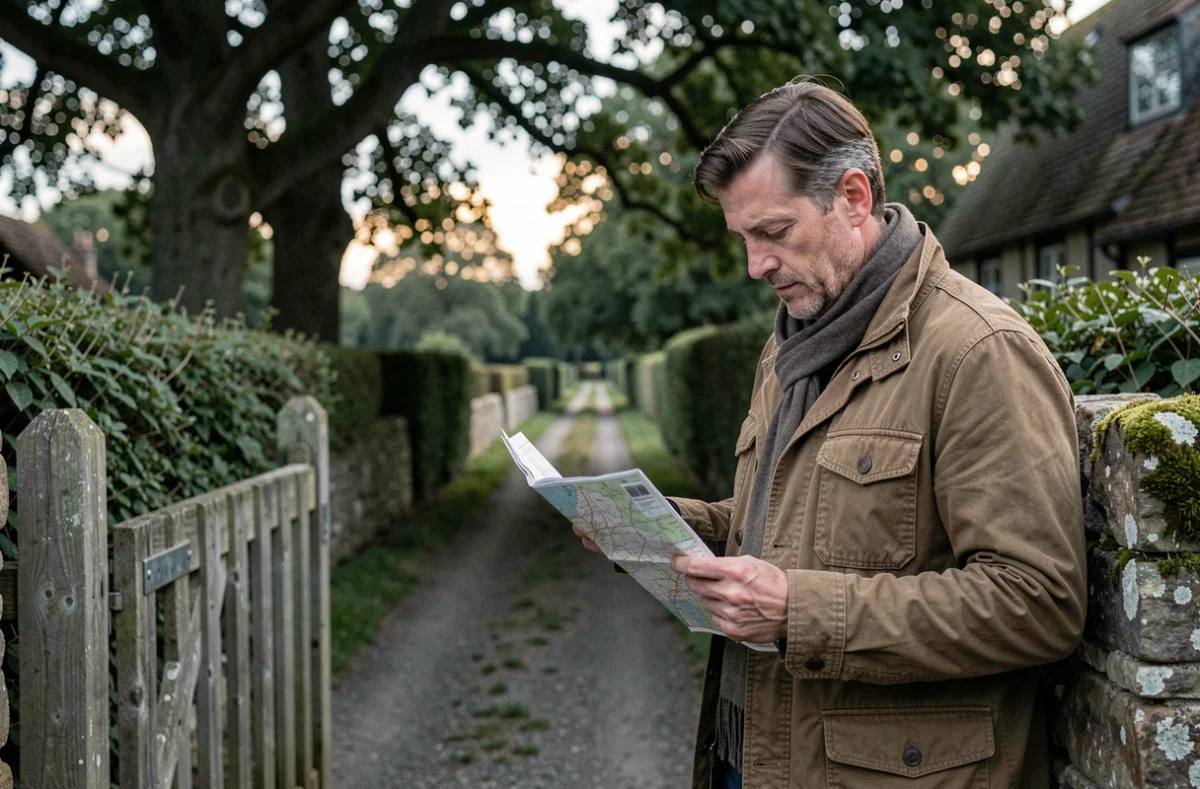
Before booking, it is beneficial to ask the host directly. Here are the points to check for a comfortable summer stay:
- The orientation of the rooms: a north or northwest facade remains significantly cooler than a south-facing exposure under the roofs
- The presence of solid wood interior or exterior shutters, much more effective than blackout curtains
- Access to a shaded garden or a covered terrace for the hottest hours of the day
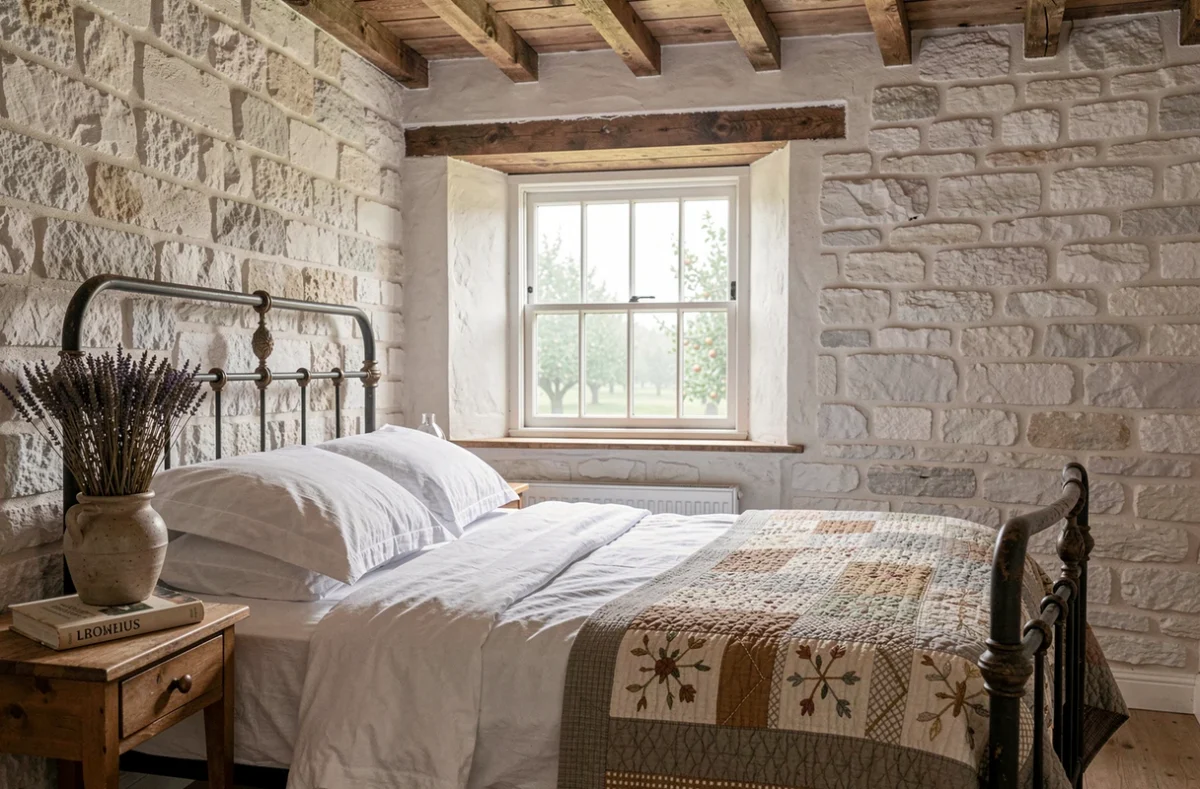
Longères with thick limestone or flint walls maintain a pleasant natural coolness. Half-timbered constructions, being lighter, heat up more under the eaves. This architectural detail, rarely mentioned in online descriptions, directly influences the comfort of the stay.
Breakfast and local products: the hallmark of a successful Normandy getaway
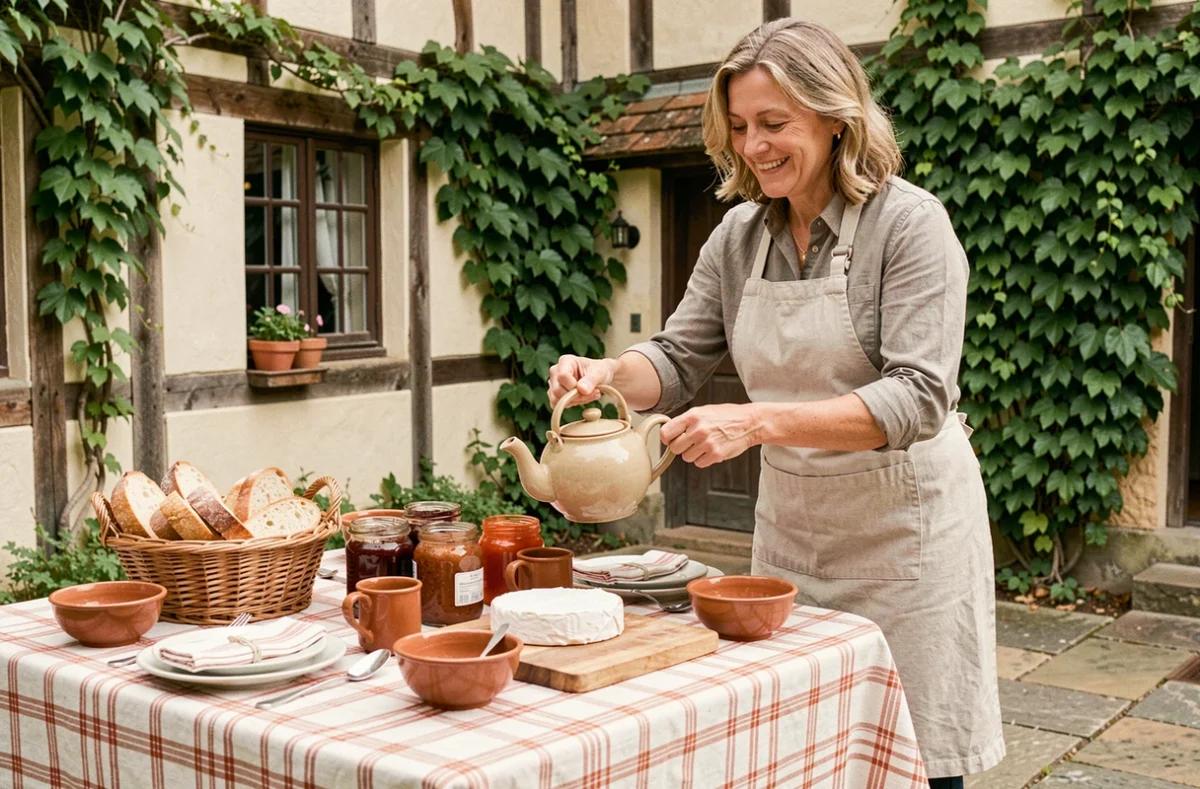
The breakfast included in the price of the night is not a commercial bonus. It is a regulatory obligation that defines the very status of the guest room. This morning meal often constitutes the moment when one concretely discovers the products of the Normandy terroir.
It typically includes:
- Homemade jams made with fruits from the garden or a nearby orchard
- Butter, cream, and cheeses (camembert, pont-l’évêque, livarot) from local producers in Calvados or the Pays d’Auge
- Farm cider or freshly pressed apple juice nearby, sometimes perry
- Breads and pastries from a local artisan baker
This short supply chain around breakfast distinguishes the guesthouse from standardized accommodation. The host knows their suppliers, shares the origin of each product, and often adapts the meal to the seasons. A breakfast in October with freshly picked apples is nothing like that of March.
Choosing a guesthouse in Normandy means accepting a type of accommodation where the limited capacity, the presence of the host, and the regulatory framework create an experience that neither traditional hotels nor furnished rentals can replicate. The Norman charm lies as much in the half-timbering and gardens as in this human proximity, which is difficult to simulate on a large scale.