
At 70 years old, the body no longer responds quite the same way as before. The markers change, metabolism slows down, and abdominal fat settles in with a tenacity that wasn’t invited. Maintaining a stable weight is no longer enough to contain that infamous adipose tissue that accumulates around the waist. The manual must also evolve.
Everyday adjustments, in terms of diet and physical activity, can help rebalance the scale between lean mass and fat mass. Even after 70, certain targeted strategies can transform the silhouette and boost metabolic health. Forgetting fatalism is already opening the door to concrete changes.
Why does abdominal fat become more stubborn after 70?
Crossing the 70-year mark means facing profound upheavals in the body’s organization. First, metabolism slows down: fewer calories are burned, more energy is stored, especially in the form of visceral fat that accumulates around the belly. This slowdown is exacerbated by muscle loss, an inevitable phenomenon if physical activity becomes rare. The more muscles diminish, the more fat storage progresses.
Sedentary behavior amplifies the problem. Joint pain, reduced mobility, small daily constraints all contribute to reducing movement and, therefore, the use of energy reserves. Added to this are hormonal fluctuations: the decrease in estrogen in women after menopause, the decline in testosterone in men. These changes alter the way the body distributes fat. Cortisol, the stress hormone, tends to promote abdominal accumulation, while leptin and ghrelin, which regulate hunger and satiety, become less effective with age.
The accumulation of fat around the belly is not trivial. The risks? Type 2 diabetes, cardiovascular diseases, and even some hormone-related cancers. Disrupted sleep, an unbalanced diet, or prolonged exposure to stress further aggravate the situation. Tendance Équilibre articles analyze these links in detail, showing how the physiology of aging requires constant attention to lifestyle hygiene. Understanding these mechanisms is already giving oneself the means to act, regardless of when one starts.
Accessible exercises and habits for a flatter belly at any age
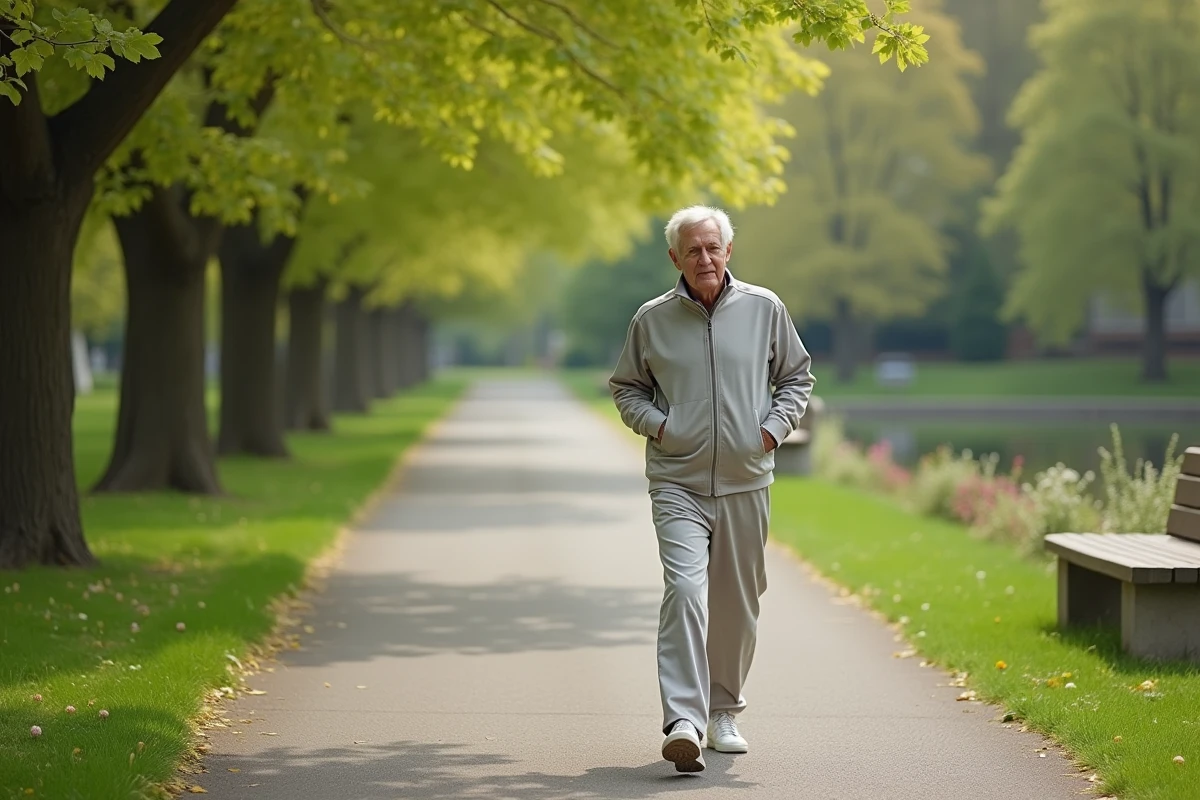
Achieving a flatter belly after 70 relies on simple actions and realistic organization. Walking remains a valuable ally: thirty minutes a day at one’s own pace activates energy expenditure, reduces sedentary behavior, and promotes weight loss without straining the joints. Those who prefer other activities can opt for stationary cycling or swimming, two gentle options that engage all muscle groups.
Strengthening the abdominal area does not require being an athlete. Planking, even in a simplified version, works the abdominal belt and helps achieve a slimmer waist. A concrete example: position yourself on your forearms and knees, hold the position for a few seconds, then relax. Repeat three to five times, not aiming for performance, but focusing on consistency. Stretching and posture exercises effectively complement this work.
Diet also makes a significant difference. Focusing on fiber-rich foods, green vegetables, legumes, and whole grains improves digestion, stabilizes blood sugar, and encourages fat loss around the belly. Drinking enough, avoiding sodas, and reducing ultra-processed products are habits that pay off in the long run. Finally, getting enough sleep and finding ways to manage stress form the foundation for a sustainable approach to reducing abdominal fat.
Here are actions to integrate into your routine to maximize results:
- Engage in regular physical activity suited to your fitness level and abilities.
- Add muscle-strengthening exercises targeting the abdominal area.
- Shift your diet towards more fiber and fewer quick sugars.
Concrete tips to stay motivated and progress calmly
Success is built on two pillars: consistency and gradual progress. Setting simple goals, such as reducing waist circumference by a few centimeters or regaining better ease in daily movements, allows for progress without discouragement. Consistency always pays off. Getting into the habit of noting weekly progress, particularly waist measurements, provides a concrete view of changes. Seeing the numbers evolve acts as a discreet motivator, much more reliable than a mere glance in the mirror.
Never underestimate the power of restorative sleep. Quality rest helps limit cortisol production, the stress hormone that promotes abdominal weight gain, and preserves the effectiveness of leptin and ghrelin, which regulate hunger. Managing daily stress through relaxation, reading, or meditation helps reduce instinctive snacking, often responsible for excess pounds.
To establish these new habits over the long term, here are some levers to activate:
- Block time in your schedule for physical activity, without postponing it.
- Mix up the pleasures: walk, try simple exercises, set yourself small weekly challenges to keep motivation intact.
- Surround yourself with a friend or hire a personal trainer if possible, to strengthen commitment and break solitude.
Focusing on a simple, homemade diet remains the best guarantee for choosing ingredients and limiting quick sugars. With time, method, and a bit of patience, weight loss becomes established, and a flat belly is no longer a distant memory but an achievable goal, regardless of age. Ultimately, it’s about giving each day the chance to be one step closer to a silhouette that reflects your desires.