Three square meters can change a household’s life. Layout, far from being a matter of size, relies on choices that are sometimes counterintuitive. A living room that is too design-oriented can stifle communication, while a kitchen designed for photos fails the test of daily life. It’s up to each person to find the coherence that truly makes sense in their home.
The success of a space often hinges on micro-details that are easily overlooked: a poorly placed spotlight, a misaligned bookshelf, or a lack of harmony between each area of the house. Time-tested tips intersect with new ideas today, offering a toolbox for those who want to rethink their interior as well as their exterior, regardless of budget size or constraints.
Understanding the fundamentals of a successful layout, from the living room to the garden
Before moving furniture or reinventing the terrace, it’s essential to look at each room with clarity: what are its actual uses? What circulation should be prioritized? In the living room, bedroom, bathroom, or kitchen, each area has its purpose and deserves tailored consideration. Interior layout plays with fluidity, light, and available volumes, which is crucial in an apartment where every centimeter counts. Consulting an interior architect or decorator can make a difference: these professionals rethink the space, adjust colors, select the right materials, and shape places that align with your lifestyle.
Outside, the logic changes. The layout focuses on the terrace, entrance, and garden. The choice of materials—wood, stone, gravel—must align with usage, the home’s appearance, your taste for zen or contemporary styles, or even a seventies or aquatic vibe. What matters is the overall coherence: both inside and outside, it’s about creating a common thread that links aesthetics and sustainability.
Knowing how to enhance your surroundings also means understanding the layout of the house and adjusting every detail: managing natural light, choosing furniture, and facilitating circulation between indoors and outdoors. Experience counts, but specialized resources are plentiful: https://www.pole-amenagement-maison.fr/ remains a reliable source for those looking to go further in their layout, both inside and out.
Each space has its personality. A structured garden, a reimagined entrance, a revamped bathroom: a precise and inspired intervention transforms both the decor and your daily life.
What practical tips can optimize every space in your home?
For each room to perform at its best, method and precision are essential. Multifunctional furniture is a valuable ally for saving space in daily life:
- a bench equipped with storage drawers
- a foldable table that disappears once the meal is over
- a bookshelf that integrates a discreet workspace
This type of space optimization solution is essential in an apartment, where even the slightest corner must serve a purpose. Custom furniture allows adaptation to the actual configuration of your home, transforming forgotten corners into useful and invisible storage.
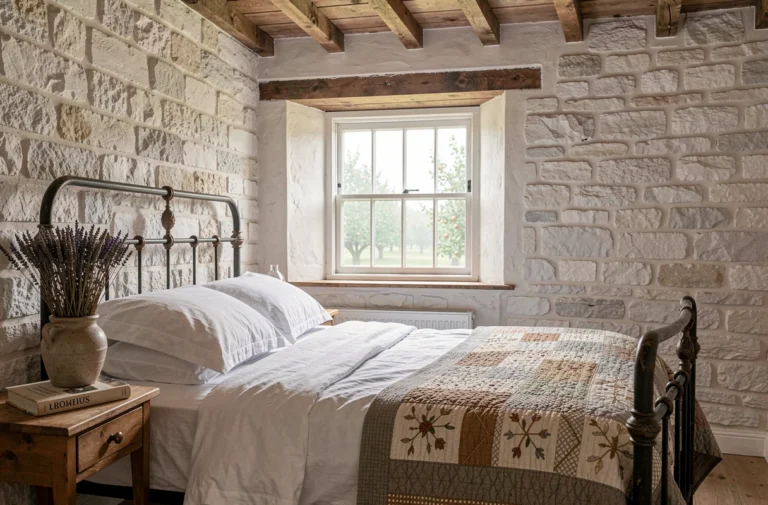
To enhance the feeling of space, sometimes all it takes is to opt for light colors: sand, linen, off-white—these shades amplify light and give volume a sense of breathing room. Contrast can be achieved with a few dark touches, which enhance elegance and depth. Natural lighting does the rest, provided it is complemented by well-placed lamps to avoid shadowy areas.
Decoration should never clutter. Add plants to infuse life without weighing things down. Lightweight partitions, glass walls, removable panels, and curtains allow for modulation of uses throughout the day, without compartmentalizing or disrupting circulation. A fluid space, where every object has its place, remains the key to a pleasant living environment.
Creating a focal point, such as a piece of art, a signature chair, or an original light fixture, structures the room and gives it character. When it comes to accessories, personalize according to your tastes but maintain overall coherence. Natural materials like wood, stone, ceramic, or linen establish the identity of the spaces, from the living room to the bathroom, and extending to the terrace or garden.
Inspiration and trends: accessible ideas to personalize your interior and exterior
Today, interior decoration breaks free from imposed trends to find the balance that reflects you. The rule of three colors remains a reliable tip: it structures the room, calms the eye, and sets a coherent atmosphere. Favor natural materials—wood, linen, terracotta—for their authenticity and texture. For accessories, a graphic rug, a vintage lamp, or a generous plant are enough to reveal the spirit of the home. Objects that are dear to you, such as an antique book, a family photo, or a souvenir from elsewhere, anchor the decor and subtly tell your story.
Upcycling is everywhere: a bench made from reclaimed planks, flower pots repurposed from their original function, a light fixture made from an old colander—imagination and simplicity give a second life to the home. Also consider adapting textiles and small decorative elements with the seasons. Changing a few cushions, refreshing a floral arrangement, or updating a curtain helps avoid routine and maintain the vitality of the space.
Here are some concrete ideas to add style to your outdoor spaces:
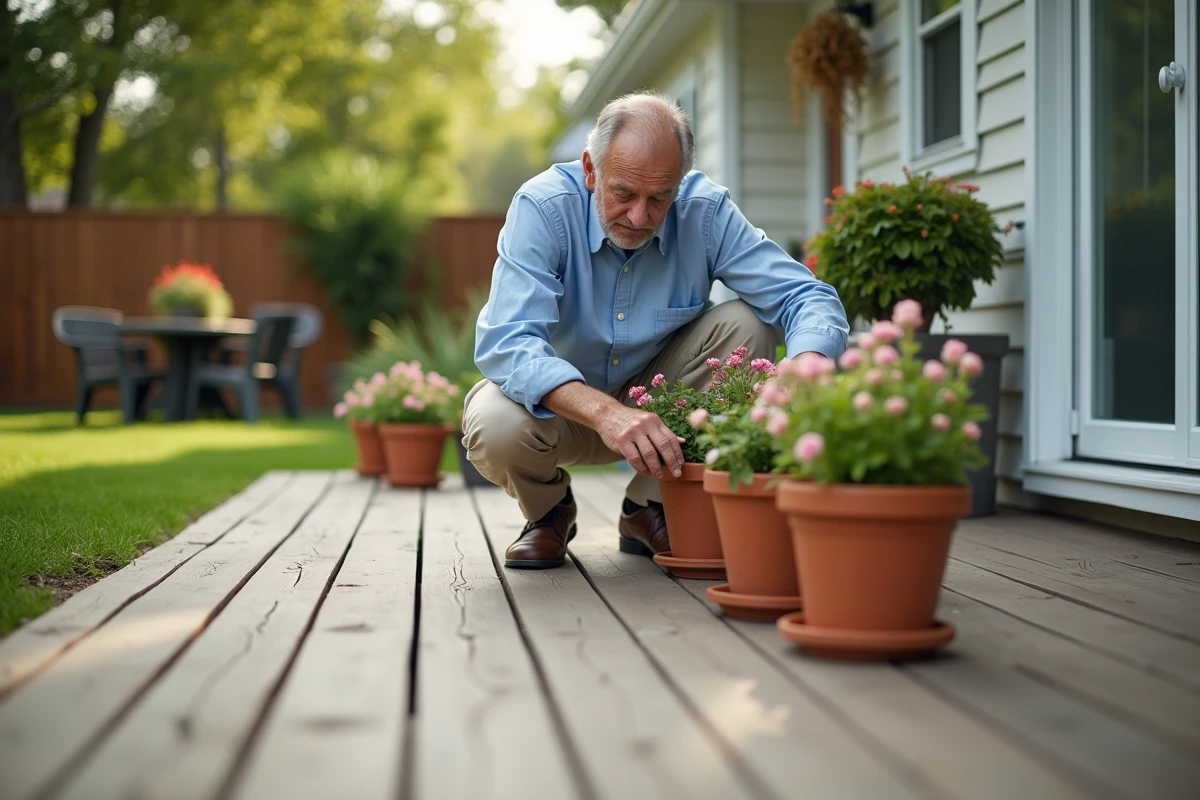
- For the terrace, prioritize raw materials: gravel, stone slabs, wood. Mix plant and mineral elements for a lively and balanced look.
- In the garden, embrace diversity: alternate perennial flowers, airy grasses, and free hedges to ensure the landscape evolves throughout the year.
The principles of personalizing the exterior remain the same: simplicity, harmony, and plays of perspective. A facade enhanced by a touch of color, integrated lighting, a terrace that becomes a summer lounge with the first rays of sunshine—every detail counts and transforms the atmosphere. The true luxury is a space that reflects you, even in its smallest nuances.