Repeated drought episodes and prefectural watering restrictions are profoundly changing the way gardens are designed in France. A flourishing garden year-round no longer relies on a fixed calendar of seasonal plantings, but on choices of soil, plants, and water management that take into account concrete climatic and regulatory constraints.
Watering Restrictions and Regulatory Framework: What Changes for the Garden
Watering the garden is no longer just a matter of ecological common sense. During drought periods, prefectures activate progressive levels of restriction (vigilance, alert, reinforced alert, crisis) that can prohibit watering lawns, flower beds, and even vegetable gardens at certain times.
The official site VigiEau allows you to check the applicable rules for your address. The fine for violations can reach 1,500 euros, according to Marie France (September 2026). This is not a theoretical amount: inspections take place, especially in municipalities where water resources are under pressure.
This regulatory reality encourages a complete rethink of the garden. Relying on a traditional lawn that requires several waterings per week in summer becomes a risky bet, including financially. To keep up with the latest practices adapted to these changes, it is useful to regularly consult the Le Jardineur website.
Drought-Resistant Perennials and Mulching Against Classic Seasonal Beds
Municipalities facing drought are leading the way. Green space services are abandoning traditional seasonal compositions (marigolds, geraniums, begonias) in favor of less water-intensive perennials and mulched soils, as noted by 20 Minutes in September 2026.
This movement is also observed among individuals. A regional survey conducted in 2024 by the Regional Union of CPIEs of Auvergne-Rhône-Alpes among amateur gardeners identifies mulching and water management as the two primary adaptation responses cited. Mulching reduces evaporation and protects soil life, making it a dual-benefit action.
Specifically, replacing a bed of annual plants with drought-adapted perennials (yarrow, sages, ornamental grasses) decreases both water needs and maintenance time. The garden is not less colorful, but its flowering rhythm changes: instead of focusing everything on summer, visual interest is spread over several seasons.
Criteria for Choosing Plants Suitable for a Water-Efficient Garden
- Favor species with deep roots, capable of accessing moisture even after several weeks without rain.
- Check the winter cold resistance of the region, as a drought-resistant plant that is frost-sensitive will not survive the entire year.
- Observe the existing soil (clay, sandy, limestone) before purchasing: a Mediterranean perennial will rot in heavy, wet soil in winter.
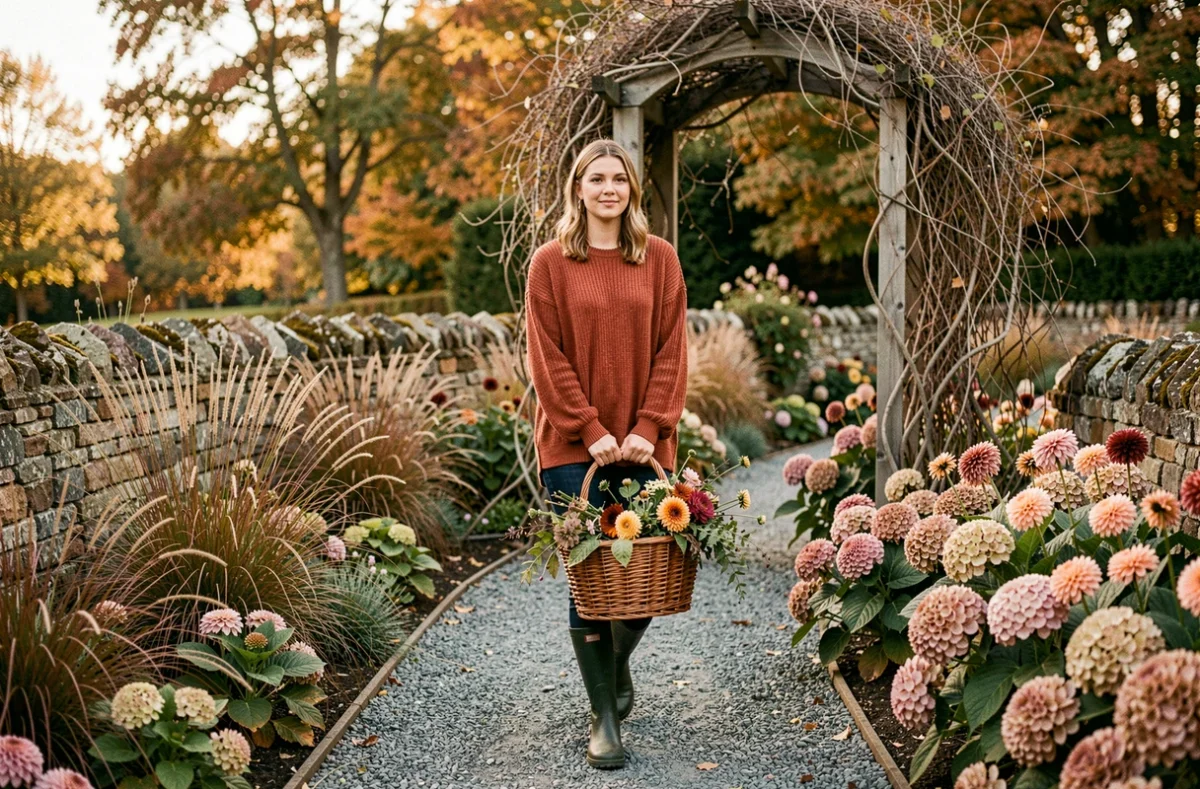
- Combine species with staggered flowering to maintain garden appeal from spring to autumn, and even in winter with dry grasses and decorative bark.
Water Management in the Garden: Rainwater Harvesting, Micro-Irrigation, and Trade-offs
Harvesting rainwater seems to be the obvious answer, but field feedback varies on this point. In regions where summer rainfall has become scarce, tanks empty quickly and only cover a fraction of the needs of a vegetable garden or growing flower beds.
Effectiveness depends on the storage volume and the collected roof area. A tank of a few hundred liters can help for planters and seedlings. Supplying a medium-sized vegetable garden during a dry summer requires a significantly larger investment.
Micro-irrigation (drip, porous hoses) reduces waste compared to sprinkler watering. Combined with thick mulching, it allows for maintaining a productive vegetable garden even under restrictions, provided that watering is done during the hours permitted by the current prefectural order.
Concrete Trade-offs for Reasoned Watering
- Concentrate available water on the vegetable garden and young plantings (trees, hedges), which need it most to establish.
- Accept that the lawn may yellow in summer: it will naturally green up with the first autumn rains, without intervention.
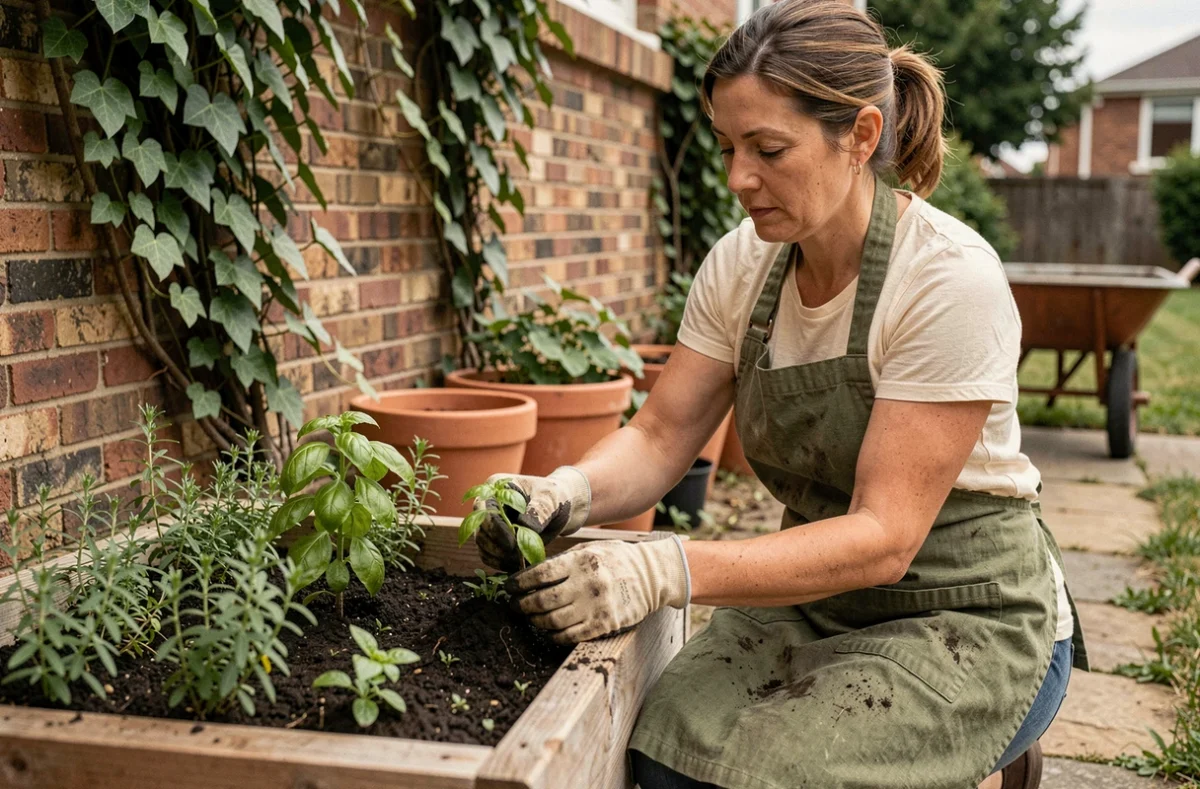
- Mulch all bare surfaces with at least five centimeters of organic material (wood chips, straw, dead leaves) to limit evaporation.
Biodiversity and Living Soil: A Garden That Works for Itself
A covered soil rich in organic matter attracts beneficial fauna (earthworms, ground beetles, rove beetles) that decompose plant residues and naturally aerate the soil. A living soil retains water better and nourishes plants without the need for chemical fertilizers.
Mixed hedges composed of berry shrubs, small trees, and climbers provide food and shelter for pollinators and birds. In return, these beneficial creatures help limit pest populations. Leaving a corner of the garden wild, even modestly, provides additional refuge for this useful biodiversity.
From a regulatory standpoint, the distances for pesticide application near homes and restrictions on certain phytosanitary products are regularly tightening. For an amateur gardener, the simplest solution is to eliminate all synthetic pesticides and compensate with plant associations, plant extracts, and a reasonable tolerance towards insects.
A garden designed with these principles requires fewer interventions over the years. The first seasons demand planting and mulching work, but the system gains autonomy as the soil enriches and perennials establish. The result is not a static garden: it evolves, adapts, and remains vibrant in every season, including winter when dry grasses and bark take over from flowering.